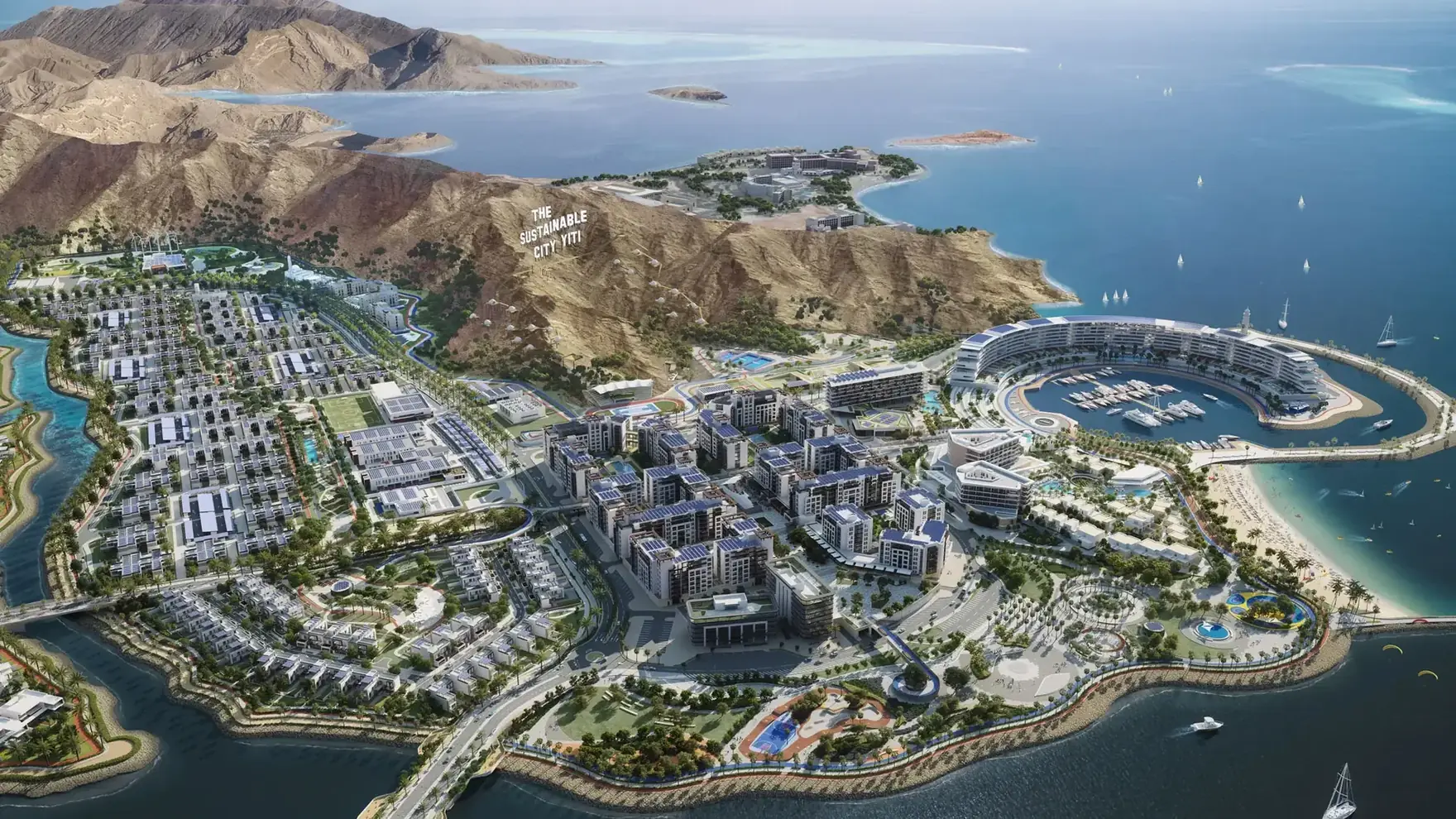
Net-zero,
by design.
A community engineered to produce more than it consumes, on the way to net-zero emissions by 2040.
The standard
Sustainability here is the infrastructure, not the marketing.
The Sustainable City is a working model, proven across Dubai, Sharjah, and Abu Dhabi. The figures below describe that model's operating standards, the same engineering that Yiti is built on.
The outcome, by design
On course to become the largest operational sustainable community in the world, per the developer's published strategy.
Living systems
The numbers behind a net-zero city.
Renewable energy, targeting up to 100 percent of the city's own demand.
Wastewater recycled, treated and reused for irrigation.
Waste diverted from landfill through sorting, reuse, and recovery.
Electric mobility, with EV vehicles and charging infrastructure throughout.
These figures describe the proven Sustainable City model and its operating standards. Where a Yiti-specific figure differs, it will be confirmed by the developer.
Energy
More power than it needs.
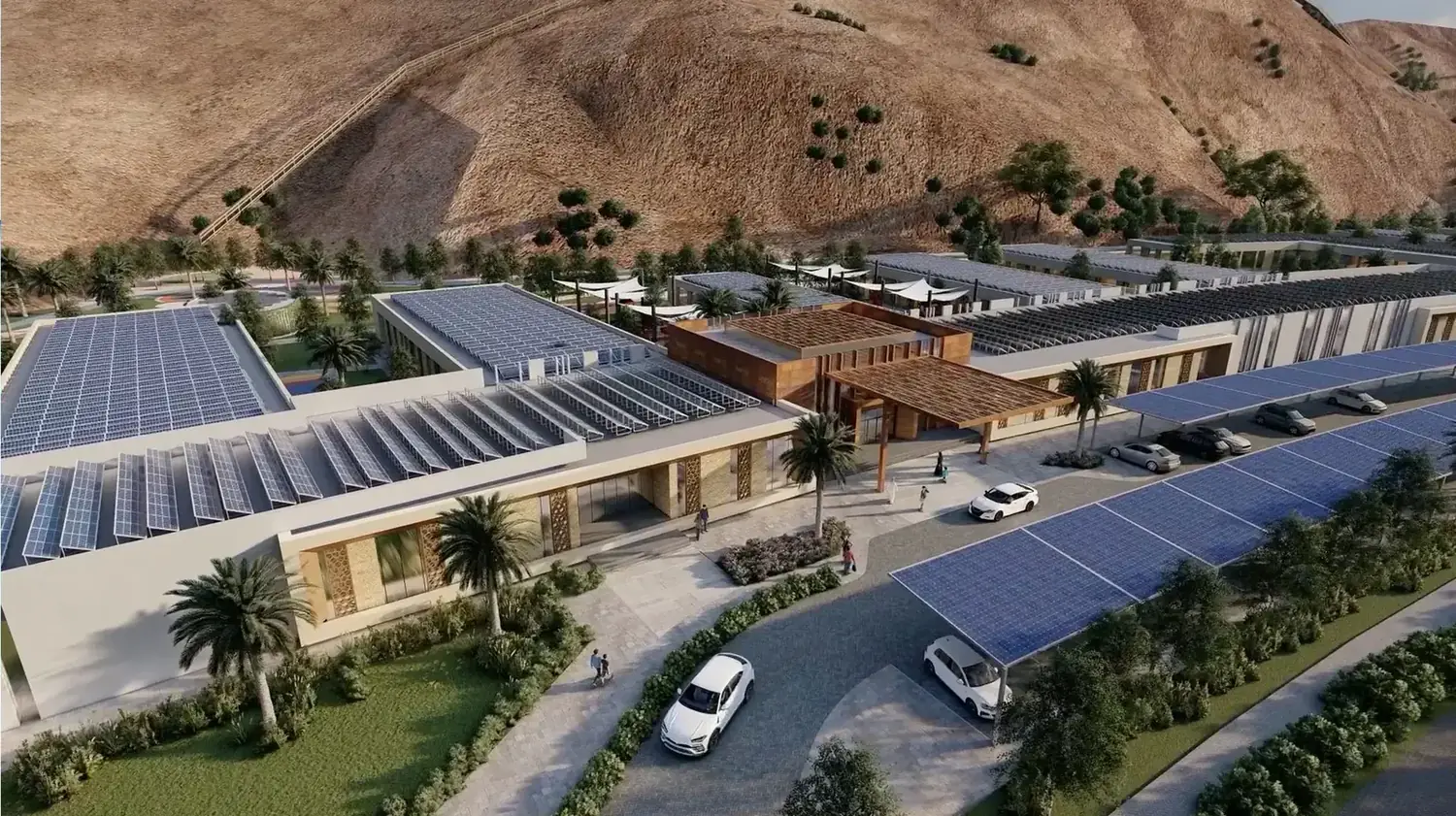
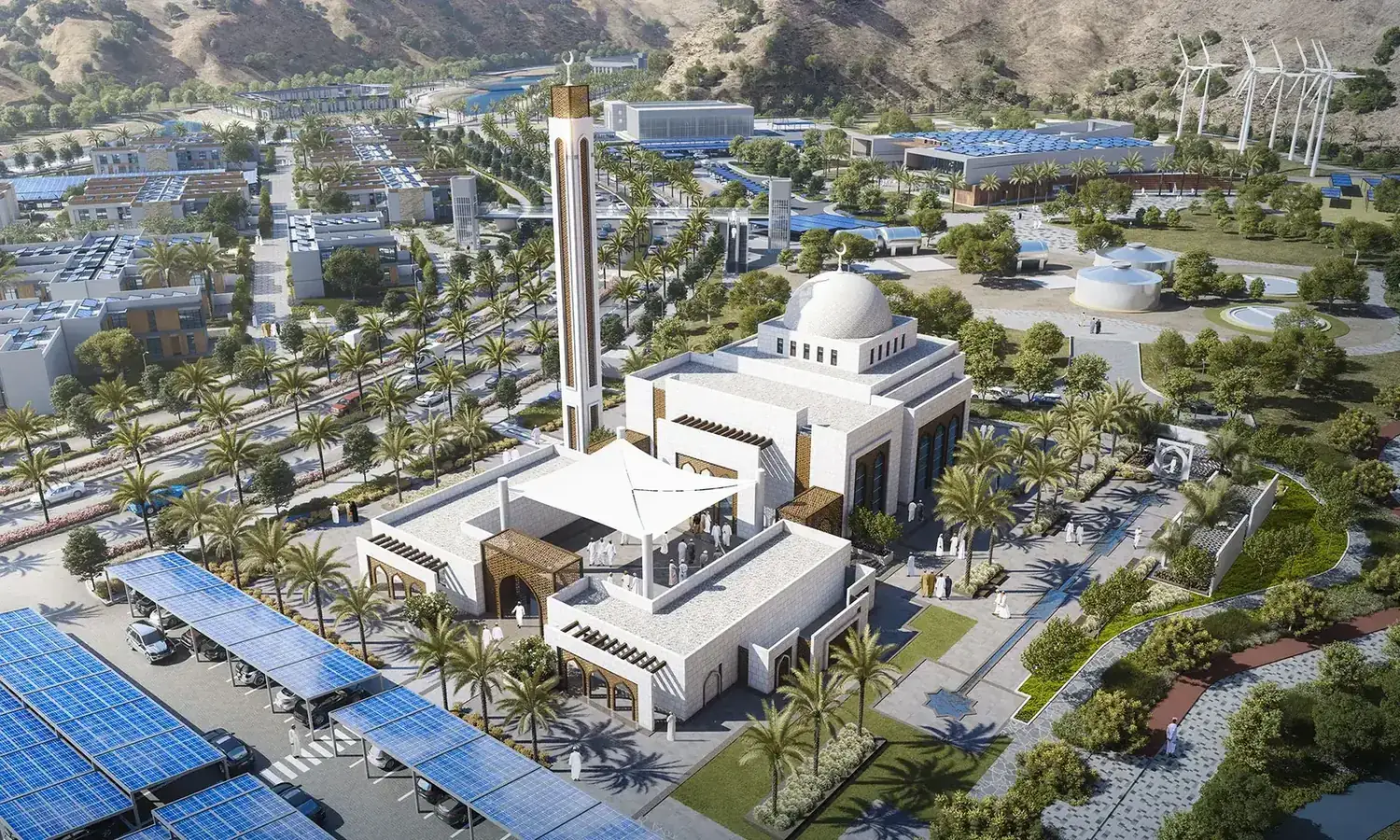
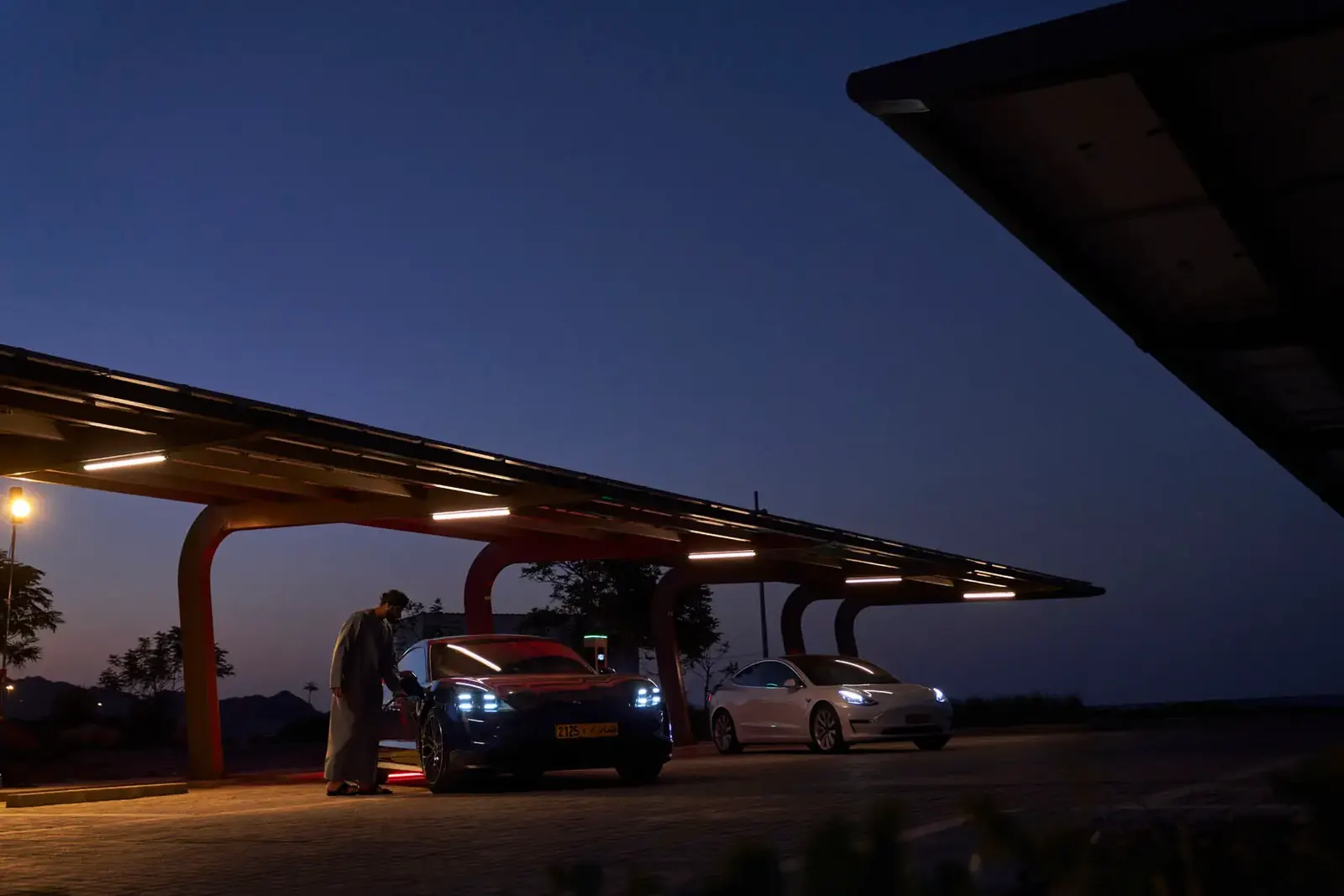
Renewable generation is designed to cover up to 100 percent of the city's demand, with electric vehicles and charging built into the streets rather than added later.

Water and food
A closed loop, and a harvest.
Wastewater is fully recycled for irrigation, and air-to-water technology draws clean drinking water on site. Indoor vertical farming works toward residents' calorific needs, growing food where it is eaten.
The model's standards
Seven systems, one net-zero target.
- EnergyRenewable energy covering up to 100 percent of the city's needs.
- Water100 percent wastewater recycling, treated and reused for irrigation.
- FoodIndoor vertical farming toward residents' calorific needs.
- Drinking waterAir-to-water technology for clean drinking water.
- Waste100 percent waste diversion from landfill.
- Mobility100 percent electric vehicles and EV infrastructure.
- MaterialsHigh recycled-content, low embodied-carbon construction.
Built in
The plant that runs quietly underneath.